
Linen & Heather shares practical, down-to-earth guidance on sustainable linen home textiles and natural interiors for readers across the UK.
- 0123456789
- Angle Bd Abdelmoumen & rue soumaya, Résidence
- [email protected]
Linen & Heather shares practical, down-to-earth guidance on sustainable linen home textiles and natural interiors for readers across the UK.
 By Harriet Osborne
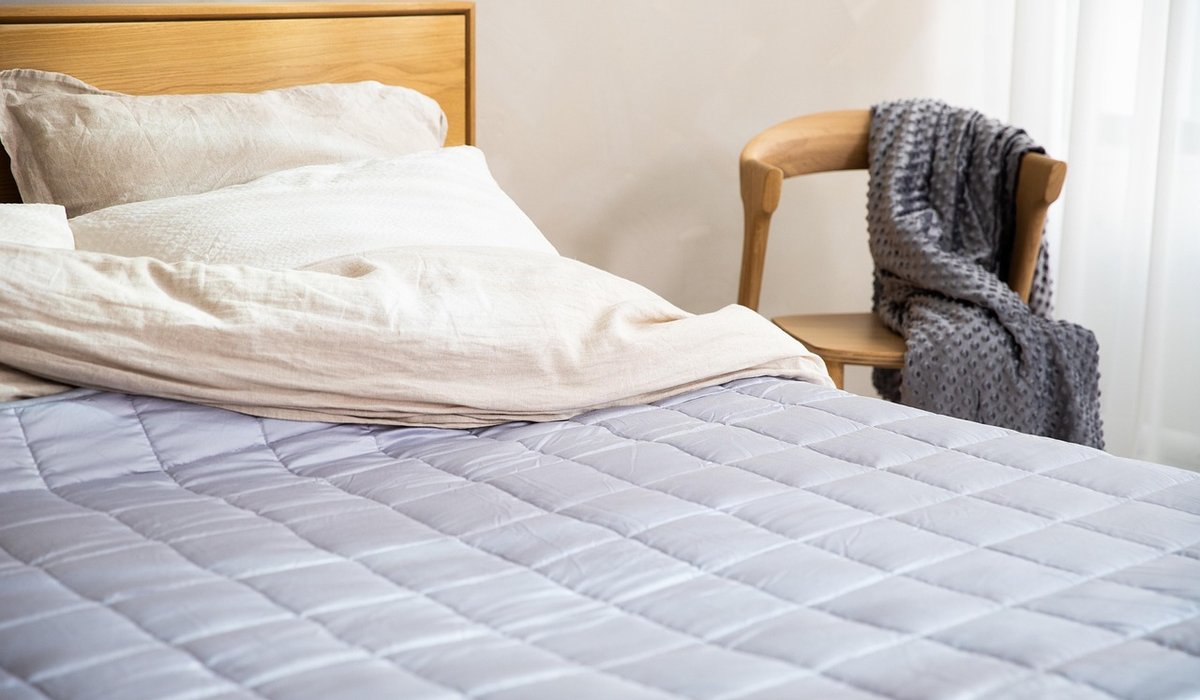
Linen has a reputation for being cool in summer, warm in winter and better with every wash, and that reputation is deserved. But the same flax yarn can produce a crisp sheet, a soft, open curtain or a heavy upholstery cloth depending entirely on the weave. Warp threads run the length of the fabric, weft threads run across it, and the number of times they cross each other per centimetre decides how the linen behaves.
Linen yarns are naturally slubby — thicker in places, thinner in others — because flax fibres are long and stiff. A good weave works with that irregularity rather than against it, so you get texture and airflow without weak spots. When you are choosing for a natural interior, reading the weave is far more useful than reading the thread count.
Plain weave is the simplest structure: one warp thread over a weft thread, then under, then over again. Every thread intersects constantly, which makes the cloth firm, stable and resistant to distortion. Fresh off the loom it feels almost papery, but it softens within a few washes and holds its shape for decades.
This is the weave behind most linen bedding. Look for a weight around 150–170 gsm for sheets and duvet covers, where you want handle rather than bulk. Table linen usually sits heavier, at 190–250 gsm, because it needs to hang well and take a hot wash. Tea towels are often woven weft-faced, packing in extra weft threads so the cloth absorbs water and dries reasonably flat.
If you are sewing for a home, plain weave is also the most forgiving linen to work with. It frays, as all linen does, but it does not twist or stretch out of line while you are sewing, and seams stay true.
Twill takes a step past the basics. The weft thread passes over two or three warp threads and under one, and the pattern shifts across each row, producing the familiar diagonal line. Because there are fewer intersections, the yarns can sit closer together, giving a denser, heavier cloth with a lovely fluid drape.
That combination of density and movement makes twill the natural choice for anything that has to take some wear. Throws and cushions at 250–350 gsm feel generous and substantial on a sofa. Upholstery-grade twill in a heavier weight handles daily sitting far better than plain weave of the same thickness. And because it drapes rather than stands stiffly, it is also the linen most often used for clothing projects at home — wide trousers, aprons, unstructured jackets and simple workwear-inspired pieces.
Twill shows creases a little less obviously than plain weave, which is a quiet advantage in a busy household.
At the opposite end of the scale sits loose weaving — a low sett, with plenty of space between the threads. The most familiar is gauze, where pairs of warp threads cross over each other, trapping the weft and creating a soft, airy cloth that seems almost to breathe. Honeycomb and waffle weaves use floats and gaps to build a three-dimensional, pocketed surface that traps air and drinks up water.
These are the weaves for rooms that need softness rather than structure:
Handle open weaves with a little care. Allow generous seam allowances, finish raw edges properly, and avoid hanging heavy, soaking-wet pieces on a line, which can pull the structure out of shape.
Three figures will tell you a great deal before you buy. The first is gsm, grams per square metre, which indicates how substantial the cloth is. The second is loom width: 140 cm is the standard dressmaking and craft width, while 240–280 cm wide linen lets you make a double duvet cover or a curtain panel without a central seam. The third is shrinkage. Expect 3–7 per cent on a first hot wash unless the linen is described as pre-shrunk, pre-washed or stonewashed.
If you are making something fitted, buy the extra length and wash and dry the fabric before you cut. Sustainable linen is worth the small inconvenience of a pre-wash: buying slightly more of a durable cloth you will keep for years beats replacing a cheap one every season.
Plain weave for beds and tables, twill for seats, throws and garments, open weaves for windows and warm nights. That simple rule covers most of what a natural home needs, and it keeps your linen purchases purposeful rather than decorative.
Wash at 30–40°C with a gentle detergent, avoid overloading the drum so the cloth has room to move, and let most pieces dry on a line in the shade. Press plain weave while it is still slightly damp if you like a crisp finish; for gauze and waffle, embrace the crumple entirely. Linen is one of the few textiles that genuinely rewards patience — the weave you choose today will look better in ten years than it does now.


We are not gonna make spamming
