
Linen & Heather shares practical, down-to-earth guidance on sustainable linen home textiles and natural interiors for readers across the UK.
- 0123456789
- Angle Bd Abdelmoumen & rue soumaya, Résidence
- [email protected]
Linen & Heather shares practical, down-to-earth guidance on sustainable linen home textiles and natural interiors for readers across the UK.
 By Eleanor Hartwell
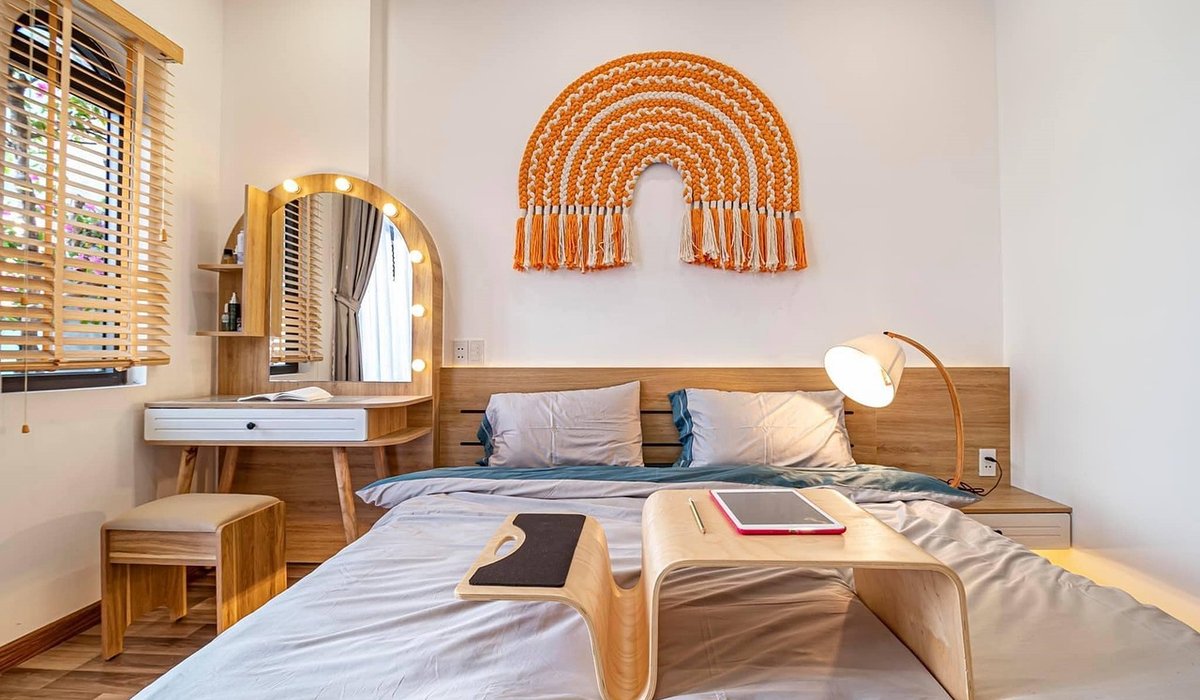
Most gifts have a short life. A gadget gets used for a few months, a novelty item sits on a shelf, a trend-led candle burns down by January. Linen home textiles work differently. A good pair of linen pillowcases, a generous tablecloth or a heavyweight throw will be in daily use long after the wrapping paper is forgotten — and with proper care, a single piece can comfortably last twenty years or more.
That longevity is what makes linen such a thoughtful choice. You are not buying something disposable; you are giving someone an object that will soften, fade gently and improve with every wash. Linen develops character. It creases, and then it drapes beautifully. It is the rare material that looks better five years in than it did on the day it arrived.
Linen is woven from flax, and flax is one of the least demanding crops in agriculture. It grows happily in the damp coastal climates of northern Europe, needs very little irrigation, and can be cultivated with minimal pesticide input. Because the whole plant is used — fibre for fabric, seed for oil, shive for paper and board — there is remarkably little waste.
Flax is also a natural rotation crop, which means it improves the soil it is grown in rather than exhausting it. And linen is strong: fibre for fibre, it is around twice as durable as cotton, so a linen item will usually outlast several cotton equivalents. That durability is the real sustainability story. A tea towel you keep for fifteen years has a far lighter footprint than five cheap ones replaced every three years.
It is worth knowing that linen is also fully biodegradable and, increasingly, recycled and traceable. When you choose it, you are backing a slower, more considered supply chain.
The best sustainable gifts are the ones that slip quietly into a daily routine. Linen lends itself to this beautifully because it belongs in every room of the house. Some ideas that tend to land well:
Colour matters here. Rust, clay, sage, ink blue and undyed natural shades sit well in almost any interior and won't date the way a bold seasonal print will.
Not all linen is equal, and price alone won't tell you the whole story. A few things to check before you buy:
A thoughtful gift comes with thoughtful instructions. Tuck a small handwritten care card in with the parcel: machine wash at 30°C on a gentle cycle, use a mild detergent, avoid bleach and fabric softener, and line dry where possible. Linen actually benefits from being washed — the fibres relax and the fabric gets softer.
Ironing is entirely optional. Many linen lovers prefer the natural, slightly rumpled look, which suits relaxed, natural interiors far better than a stiff, pressed finish. If someone does want a crisper feel, a light press while the fabric is still slightly damp is all it needs.
Mentioning these details turns the gift into something the recipient can actually look after, which is what keeps it out of a charity shop bag in three years' time.
There is a particular pleasure in handing over a gift that says something about how you see the person receiving it. Linen says: I think you'd like something that feels lovely against your skin, that fits the calm, natural home you're building, and that will still be here in a decade.
It is also, quietly, a gift to the planet — one that supports slower farming, fewer replacements and less waste. Wrap it in recycled paper, tie it with a strip of offcut linen or jute twine, and add a sprig of dried lavender or rosemary. Simple, personal, and genuinely useful. Very few gifts manage all three.


We are not gonna make spamming
