
Linen & Heather shares practical, down-to-earth guidance on sustainable linen home textiles and natural interiors for readers across the UK.
- 0123456789
- Angle Bd Abdelmoumen & rue soumaya, Résidence
- [email protected]
Linen & Heather shares practical, down-to-earth guidance on sustainable linen home textiles and natural interiors for readers across the UK.
 By Oliver Pemberton
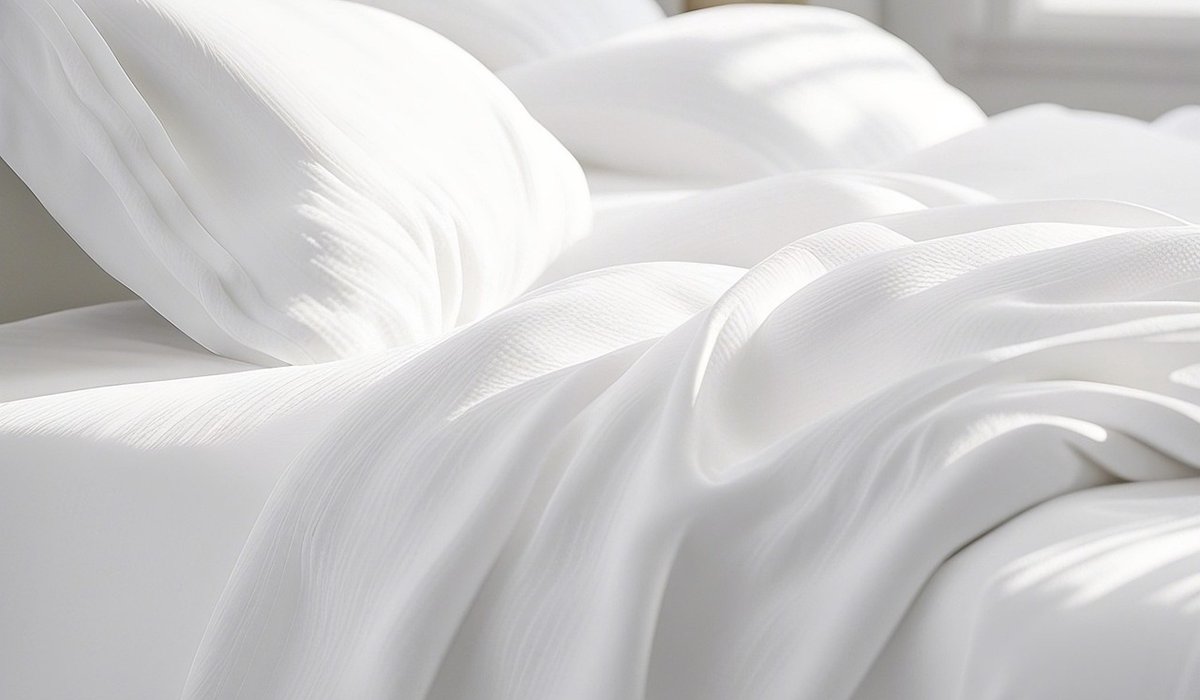
Linen is woven from flax, and flax fibres are long, strong and naturally a little irregular. That irregularity is the whole point: it gives linen its slubby surface, its dry handle and its lovely relaxed drape. Press it flat like a cotton shirt and you press the character out of it. The aim with linen is not a mirror-smooth finish but a fabric relieved of the deep creases of washing and storage while keeping its texture and movement intact. Linen should look cared for, never flattened.
Linen is far more cooperative when it is slightly damp. Heat and moisture together relax the fibres, so creases fall out under the weight of the iron rather than under a heavy hand. Dry linen fights back: you end up pressing harder and hotter, which is exactly what flattens the weave and can bring a shine to the surface.
White and undyed linen will take the hottest setting your iron offers — usually three dots, around 200°C. Coloured, printed and dark linen needs a lower heat and should always be pressed on the reverse, so the iron never touches the face of the cloth. That is also the surest way to avoid iron shine: those pale, glossy patches that appear where hot metal has been left sitting.
Steam helps, but tap water in hard-water areas leaves limescale deposits that end up on your linen. Use filtered or distilled water in the iron, or skip the tank altogether and keep a spray bottle to hand instead. And leave the starch in the cupboard. Starch stiffens the fibre and fills the weave — the opposite of what linen wants. If you would like a crisper napkin, a light mist and an air-dry will do more for it than any spray starch.
Some linen is better left alone. Bed sheets fall into this category: the pleasure of linen bedding is its softness against the skin, and a fully pressed sheet feels stiff and papery. Press the pillowcases and the top hem, then smooth the body of the sheet with your hands and let a line-dry finish the job. Tablecloths and napkins can take a light press, but fold them along the lines already there rather than pressing in new ones. Slipcovers and upholstery should be steamed in place, never pressed. Embroidered linen goes face down on a thick towel so the stitching is not crushed.
Linen holds heat, so folding it warm simply sets new creases. Hang it or lay it flat for ten minutes before you put it away, then give it an hour to settle — small creases relax on their own as the cloth cools and moves. For storage, roll table linen around a cardboard tube where you can, or fold it in the same places each time. Linen has a long memory for folds, and a line repeated often enough becomes permanent. Keep it out of direct sunlight, in a dry cupboard, with a little air moving around it.
Get the balance right and the result is unmistakable — linen that looks smooth enough to be loved and relaxed enough to be lived with.


We are not gonna make spamming
